Tuesday, June 22, 2010

Aung San Suu Kyi’s unhappy birthday


The globe and mail
Opinions
UN group condemns continuing ‘illegal’ detention of Myanmarese democracy leader
Irwin Cotler
From Tuesday's Globe and Mail
In an important – though largely unacknowledged decision – the United Nations Working Group on Arbitrary Detention has declared unequivocally that the ongoing detention of Myanmarese democracy leader and Nobel Peace Prize laureate Aung San Suu Kyi is “in violation of international law,” and it has urged her immediate and unconditional release.
In particular, the group condemned the Myanmarese junta’s “illegal” imprisonment of Ms. Suu Kyi – an honorary citizen of Canada – on the grounds that she “was not informed of the reasons for her arrest; had no effective remedy to challenge her detention; no records were given to her; she was never informed of her rights; she has been denied communication with the [o]utside world; and is being detained because of her political views.”
The UN decision also noted that a lawyer for Ms. Suu Kyi lost his licence simply for daring to represent her, that her trial was conducted in private and that the media were denied the right to speak to defence witnesses, some of whom were banned from testifying while all of the prosecution witnesses, nearly five times as many, were heard.
The UN working group said it “deems it necessary to recall that the Universal Declaration of Human Rights guarantees the right not to be arbitrarily detained, as well as the rights to due process and a fair trial, and to freedom of opinion, expression and assembly. None of these have been complied with.”
It also held that Ms. Suu Kyi had not been judged by an independent and impartial tribunal, as enshrined in Article 10 of the rights declaration, reflecting the view of the Special Rapporteur on the Situation on Human Rights in Myanmar (formerly called Burma) that “the judiciary is not independent, and is under the direct control of the government and the military.”
It should be noted that this was the sixth time the working group had found the terms of her house arrest in violation of international law. In effect, every one of her periods of confinement has been ruled illegal.
It is important to recall – and this also goes largely unaddressed – that Ms. Suu Kyi’s political party, the National League for Democracy, and its allies won the 1990 elections in Myanmar with more than 80 per cent of the parliamentary seats. Yet since that election, in a foundational assault on democracy and international law, she has spent more than 14 of the past 20 years under house arrest.
She had been charged under the Law to Safeguard the State against the Danger of Those Desiring to Cause Subversive Acts, which, interestingly enough, had been annulled by the military government when it took power in 1988.
The most recent extension of her house arrest is due to American citizen John Yettaw’s illegal and unannounced entry on the property where she was being confined in May, 2009. Yet it was Ms. Suu Kyi who was charged with “aiding and abetting” Mr. Yettaw's illegal entry – an utter inversion of the facts and the law.
After the illegal intrusion, Ms. Suu Kyi was sentenced for violating the terms of her previous house arrest, which the UN working group had repeatedly found to be without any legal basis whatsoever. In the words of the group, “No charges can flow from the charges of the terms of this previous arrest order ... [itself illegal]. Further, even if this were not the case, no controlling body – acting in good faith – could find that her actions violated the terms of her house arrest.”
Myanmar’s Foreign Ministry stated it “is a country that always respects UN declarations and decisions as it is a UN member country.” If this is the case, Ms. Suu Kyi should be immediately released.
It is tragic to note that Aung San Suu Kyi turned 65 years old on Saturday. She spent yet another birthday unjustly confined while the military junta continues to violate international law and ignore the decisions of the UN working group with utter impunity.
Irwin Cotler is member of Parliament for Mount Royal and former minister of justice and attorney-general of Canada. He is a member of the board of advisers of Freedom Now, a non-governmental organization that represents Aung San Suu Kyi.

Sunday, June 20, 2010

by

David Scott Mathieson, Burma researcher for Human Rights Watch


Published in:

The Bangkok Post

March 28, 2010


The call by Tomas Quintana, the United Nation's human rights monitor to Burma, to consider the establishment of a Commission of Inquiry into possible crimes against humanity and war crimes in Burma is welcome, if long overdue. But just how probable is a high-level UN inquiry into serious international crimes in Burma, an investigation that could potentially result in a recommendation for a Security Council referral to the International Criminal Court (ICC) prosecutor to initiate an investigation?
In terms of political realities, an honest assessment would say it is unlikely because of the unfortunate, yet almost certain opposition by some powerful UN Security Council (UNSC) members such as China and Russia. But with respect to the urgency of the case and need for justice in Burma, there must be an all-out effort to ensure that the proposal for a commission seizes the attention of the UN as a way to bring justice and accountability to Burma. As Mr Quintana noted in his March 8 report to the UN Human Rights Council, the grave crimes perpetrated by the Burmese army, or Tatmadaw, are a "result of state policy that involves authorities in the executive, military and judiciary at all levels". A review of UN human rights reports on Burma since 2002 by Harvard Law School last year concluded that the world body itself has been referring to such crimes as widespread and systematic, thereby reaching a threshold that justifies a Commission of Inquiry (CoI) or a direct referral to the ICC prosecutor by the UN Security Council. The Harvard report, "Crimes in Burma", looked at four aspects of crimes - forced displacement of civilians, sexual violence, torture and murder.

Commissions of Inquiry are actually not unusual, and have been used to address serious violations of international human rights and humanitarian law around the world. Many originate in Security Council resolutions, although there is a possibility that the Human Rights Council could itself establish a CoI. Such bodies include the Security Council-created CoI on Darfur in 2005 which led to a Security Council referral to the ICC and an ICC investigation, the General Assembly-created Group of Experts that led to the Khmer Rouge tribunal in Cambodia, the recent decision to convene a Panel of Experts to advise Ban Ki-moon on accountability for potential war crimes in Sri Lanka during the final months of the civil war that ended in May 2009, and the the recent CoI ordered by Mr Ban to address the killings in Guinea last year.

Judging from past CoIs and Panels of Experts, such an investigative body for Burma might comprise several eminent people or jurists with expertise in the area of human rights, humanitarian law and international justice, supported by a group of investigators within a secretariat that includes a research team composed of lawyers, investigators, forensic experts, military analysts and gender violence experts. A possible mandate for a Burma commission could be something along the lines of: "To investigate reports of violations of international humanitarian law and human rights law in Burma by all parties, and to identify the perpetrators of such violations with a view to ensuring that those responsible are held accountable."

Burma has experienced a CoI before. In 1997, the International Labour Organisation (ILO) formed a commission to investigate forced labour in Burma, although the military regime refused to attend hearings and did not permit the commission to visit Burma formally. The subsequent report in 1998 argued that forced labour was widespread and systematic, and fundamentally breached Burma's commitments as a ratifying state of ILO Convention No29 on forced labour. The commission's report increased pressure on the military regime and led to the military dominated State Peace and Development Council (SPDC) passing Law 1/99 to expressly ban forced labour. The practice of forced labour imposed by state officials and the Tatmadaw continues, but through the continuing work and pressure of the ILO, Burma's compliance is subject to regular review and admonishment in Geneva.

The SPDC has also co-operated in a desultory fashion with the UN on children and armed conflict, responding to Security Council Resolution 1612 (2005), which seeks to promote a broad set of protections for children in war. The regime's formal body on the prevention of recruitment of child soldiers, the Committee for Prevention of Recruitment of Minors, created in 2004, is largely a public relations vehicle, and serious concerns continue to be raised about the lack of co-operation with UN agencies and NGOs on the issue of child soldiers. A long-awaited action plan on child soldiers still languishes, waiting for agreement with the authorities. Unlike some recent ICC cases in Africa where child soldier recruitment was the basis for indictments, the SPDC's formal body could help Burma avert any ICC investigation on the grounds that they prosecute the use of child soldiers, but its performance could be assessed by a CoI. The ICC would also assess whether the state is genuinely willing and able to investigate and prosecute the cases it is considering as part of its assessment of whether a case is admissible.

In a sign of modest progress, the SPDC recently sentenced three military officers to prison terms for their role in recruiting and using child soldiers, using information derived from investigations by the ILO. But there may be a limit to how far the SPDC will let such other such prosecutions proceed. In the 2008 constitution, Chapter IV, prosecution of military personnel will remain the sole purview of the Tatmadaw. The relevant passage reads "in the adjudication of Military justice: the decision of the Commander in Chief of the Defence services is final and conclusive" - denying civilian justice mechanisms any role.

Any UN mandated CoI should be empowered to investigate all parties to Burma's conflicts, including investigating crimes in violation of international law perpetrated by non-state armed groups. For years, the vast majority of human rights reporting has centred on abuses by the Tatmadaw. Much less attention has focused on abuses by the more than 30 ethnic militia armies, many of whom have longstanding ceasefire agreements with the SPDC. Allegations of abuses by these groups are widespread, but difficult to verify, and include torture, ill-treatment and summary executions of captured Burmese soldiers and suspected informants. However, recruitment and use of child soldiers by almost all non-state armed groups has been well documented by Human Rights Watch and others. Abuses by these groups against civilians such as forced labour, torture and murder are more difficult to verify, but should also be investigated.

In the most egregious reported case, in the early 1990s, the All Burma Students Democratic Front (ABSDF) in Kachin State, northern Burma, conducted an internal investigation and subsequently publicly executed a number of suspected Burmese spies in its ranks. More than 100 members of the group were tried and sentenced, with 15 young men and women being publicly tortured and then executed. Many of the perpetrators of this violence are free, living in exile, and have never been held accountable for these crimes.

States that support creating such a UN commission should make clear that investigating international crimes has nothing to do with current day Burmese politics. In establishing a CoI, there should be no reference to the 2010 elections, Aung San Suu Kyi and Burma's 2,100 other incarcerated political dissidents, or sanctions or humanitarian assistance unless it has direct bearing on the whole investigation and its central aims of ensuring justice and accountability for crimes against humanity and war crimes.

The next stage will be for states to sponsor the creation of a commission, and prepare to engage in the intensive diplomatic negotiations at the UN and other national capitals to make it happen. A failure by concerned states to support the call for a UN CoI on Burma will embolden the Burmese military to tighten its grip on power. Critics of efforts to seek international justice contend that accountability must take a back seat to peace and reconciliation deals that can potentially end the fighting. Yet in Burma, it is precisely the lack of accountability that has so fuelled a cycle of impunity for rights abuses by all parties to the conflict. Convening a CoI could have a deterrent effect that gives all parties to the conflict reason for pause. Uneasy peace accords signed by the SPDC in the late 1980s and early 1990s with more than 15 ethnic militias are looking shakier now than at any point since they were reached. The reason is the lack of political, economic and legal dividends produced by these ceasefire arrangements. A UN CoI would potentially have a positive effect in bringing various parties to the negotiations, and potentially spur multilateral peace talks in Burma.

All conflicts and their eventual resolutions are unique, and while justice and human rights are universal in their application, local conditions and context affect how a CoI operates. Peace in Burma may well be supported and accelerated by a commission of inquiry if such an investigation is given a broad mandate and the necessary resources and co-operation to look into all serious crimes perpetrated during Burma's complex civil war. The Burmese military and its xenophobic leadership have survived decades of condemnation, sanctions and moderately toned UN mediation. The generals respect strength and fear the possibility of international accountability. It is time they face the prospect of real justice for once in their lives.

နအဖစစ္အုပ္စုကို တရားစြဲျခင္း

ဂါမဏိ   /   ၀၃ ဇြန္ ၂၀၁၀


နအဖစစ္အုပ္စုကို တရားစြဲ အေရးယူဖို႔နဲ႔ပတ္သက္ၿပီး သေဘာတရားအရ ၾကည့္ရင္ေတာ့ အဓိကနည္းလမ္း (၆) မ်ဳိး ရွိေနပါတယ္။ အဲဒါေတြကေတာ့ …

(၁) ႏိုင္ငံတကာတရား႐ံုး ICJ ကေန မလိုက္နာလို႔မရတဲ့ စီရင္ခ်က္ခ်ေစျခင္း၊
(၂) ႏိုင္ငံတကာတရား႐ံုး ICJ ကေန သေဘာထားအႀကံျပဳခ်က္ ခ်ေစျခင္း၊
(၃) ႏိုင္ငံတကာရာဇဝတ္တရား႐ံုး ICC ကေန စီရင္ခ်က္ခ်ေစျခင္း၊
(၄) အေရးေပၚ သီးသန္႔ခံု႐ံုးတည္ေထာင္ၿပီး မလိုက္နာလို႔မရတဲ့ စီရင္ခ်က္ခ်ေစျခင္း၊
(၅) ျပည္ပႏိုင္ငံတခုရဲ႕တရား႐ံုးတခုကေန စီရင္ခ်က္ခ်ေစျခင္း၊
(၆) ျမန္မာႏိုင္ငံတြင္း တရား႐ံုးတခုကေန စီရင္ခ်က္ခ်ေစျခင္းတို႔ျဖစ္ပါတယ္။

ပထမနည္းလမ္း (၅) ခုက ႏိုင္ငံတကာတရားေရးလမ္းေၾကာင္းေတြျဖစ္ၿပီး ႏိုင္ငံတကာအဖြဲ႔အစည္းတခု သို႔မဟုတ္ တျခားႏိုင္ငံတႏိုင္ငံကေန အစခ်ီရမယ့္ နည္းလမ္းေတြ ျဖစ္ပါတယ္။ ေနာက္ဆံုးနည္းလမ္းကေတာ့ ကိုယ့္ျပည္တြင္း တရား႐ံုးေတြမွာပဲ ကိုယ့္အစိုးရကို ႏိုင္ငံတကာသေဘာတူညီခ်က္ေဖာက္ဖ်က္မႈ သို႔မဟုတ္ ႏိုင္ငံ့ဥပေဒခ်ဳိးေဖာက္မႈနဲ႔ တရားျပန္စြဲဖို႔ျဖစ္ၿပီး အလားအလာမရွိဆံုး နည္းလမ္းလည္းျဖစ္ပါတယ္။

၁။ ႏိုင္ငံတကာတရား႐ံုး ICJ ဟာ ကုလသမဂၢရဲ႕ အဓိကတရားေရးအဖြဲ႔ျဖစ္ၿပီး ႏိုင္ငံေတြအၾကား တရားေရးဆိုင္ရာ အျငင္းအခံုေတြကို ႏိုင္ငံတကာဥပေဒနဲ႔အညီ ေျဖရွင္းဆံုးျဖတ္ေပးရပါတယ္။ ဒါ့အျပင္ ကုလသမဂၢအဖြဲ႔အစည္းေတြ ဌာနေတြက ေမးျမန္းတင္ျပလာတဲ့ ဥပေဒေရးရာျပႆနာေတြအေပၚမွာလည္း သေဘာထားအႀကံျပဳခ်က္ ေပးရပါတယ္။

ႏိုင္ငံတကာ့တရား႐ံုးမွာ တရားဆိုင္ရင္ ကုလသမဂၢအဖြဲ႔ဝင္ႏိုင္ငံေတြနဲ႔ ICJ ဖြဲ႔စည္းပံုစည္းမ်ဥ္းဥပေဒကို လက္မွတ္ထိုးထားတဲ့ ကုလအဖြဲ႔ဝင္မဟုတ္တဲ့ ႏိုင္ငံေတြပဲ တရားၿပိဳင္ခြင့္ရွိပါတယ္။ ဒါ့အျပင္ တရားၿပိဳင္ႏွစ္ႏိုင္ငံစလံုးက တရား႐ံုးဆံုးျဖတ္ခ်က္ကို လက္ခံမယ္လို႔ သေဘာတူဖုိ႔လိုပါတယ္။ ဒါမွမဟုတ္ ေဖာက္ဖ်က္တယ္လို႔ စြပ္စြဲထားတဲ့ ႏိုင္ငံတကာစာခ်ဳပ္ထဲမွာ ICJ အဆံုးအျဖတ္ကို ခံယူရမယ္လို႔ ျပ႒ာန္းထားတဲ့ အေျခအေနရွိဖို႔လိုပါတယ္။

တရားၿပိဳင္ႏွစ္ဘက္က ICJ မွာ စာနဲ႔ေရာ ႏႈတ္နဲ႔ေရာ ေလွ်ာက္လဲခ်က္ေပး စစ္ေဆးခံၿပီးရင္ တရား႐ံုးက စီရင္ခ်က္ခ်ပါတယ္။ စီရင္ခ်က္ဟာ အၿပီးအျပတ္ျဖစ္ပါတယ္ (အထက္ဆင့္ကို အယူခံစရာမရိွပါ)။ ႏွစ္ဘက္စလံုး မျဖစ္မေန လိုက္နာက်င့္သံုးရပါတယ္။ ကုလသမဂၢအဖြဲ႔ဝင္ျဖစ္ကတည္းက ICJ ဆံုးျဖတ္ခ်က္ကို လိုက္နာပါ့မယ္လို႔ ကတိျပဳ လက္မွတ္ထိုးထားတာျဖစ္တဲ့အတြက္ တရား႐ံုးအဆံုးအျဖတ္ကို မလိုက္နာဘဲေနတာ အင္မတန္ရွားပါတယ္။ တရားၿပိဳင္ႏွစ္ဘက္မွာ တဘက္က တရား႐ံုးကို လာဖို႔ပ်က္ကြက္ရင္လည္း အမႈကို ဆက္စစ္ႏိုင္ပါတယ္။ တရား႐ံုးျပင္ပမွာ ႏွစ္ဘက္ညႇိႏႈိင္းၿပီး ေၾကေအးလို႔လည္းရပါတယ္။ တရား႐ံုးဆံုးျဖတ္ခ်က္ကို မလိုက္နာရင္ေတာ့ လံုၿခံဳေရးေကာင္စီက တရား႐ံုးစီရင္ခ်က္အတိုင္းျဖစ္ေအာင္ ကိုင္တြယ္အေရးယူခြင့္ရွိပါတယ္။

အဓမၼလုပ္အားေပးကိစၥ၊ ကေလးစစ္သားကိစၥ၊ လယ္ယာေျမသိမ္းယူမႈကိစၥေတြေၾကာင့္ အျပည္ျပည္ဆုိင္ရာ အလုပ္သမားအဖြဲ႔ခ်ဳပ္ ILO ရဲ႕ သေဘာတူစာခ်ဳပ္ေတြ ေဖာက္ဖ်က္မႈနဲ႔ ILO အဖြဲ႔ဝင္လည္းျဖစ္ ကုလသမဂၢ အဖြဲ႔ဝင္လည္းျဖစ္တဲ့ တျခားႏိုင္ငံတခုက ျမန္မာႏိုင္ငံကို ICJ မွာ တရားစြဲႏိုင္ပါတယ္။ တရား႐ံုးကေတာ့ ျမန္မာျပည္မွာ အဓမၼလုပ္အားေပးရပ္စဲဖို႔၊ ကေလးစစ္သားရပ္စဲဖို႔ေတြ အမိန္႔ေပးဆံုးျဖတ္ပါလိမ့္မယ္။

ဒါမွမဟုတ္ တိုင္းရင္းသားနယ္ေျမေတြမွာ ဥပေဒမဲ့ သတ္ျဖတ္မႈ၊ မုဒိမ္းက်င့္မႈ၊ ရြာမီး႐ႈိ႕မႈ၊ အဓမၼအိုးအိမ္မဲ့ေစမႈေတြနဲ႔ ဒီပဲယင္းလုပ္ႀကံမႈ၊ ေရႊဝါေရာင္ယုတ္မာမႈေတြေၾကာင့္ ႏိုင္ငံတကာလူသားခ်င္းစာနာေရးဥပေဒ၊ စစ္ပြဲဆိုင္ရာ ဂ်ီနီဗာစာခ်ဳပ္ေတြ ေဖာက္ဖ်က္မႈနဲ႔ ဒီစာခ်ဳပ္ေတြ လက္မွတ္ထိုးထားတဲ့ ကုလသမဂၢအဖြဲ႔ဝင္ တျခားႏိုင္ငံတခုက ျမန္မာႏိုင္ငံကို ICJ မွာ တရားစြဲႏိုင္ပါတယ္။ ICJ ဟာ လူပုဂၢိဳလ္ေတြကို အေရးယူတာေတာ့မရွိဘဲ ေဖာက္ဖ်က္မႈေတြ ရပ္တန္႔ဖို႔ အမိန္႔ခ်ႏိုင္ပါတယ္။ ဒါကိုလိုက္နာဖို႔ လံုၿခံဳေရးေကာင္စီက ၾကပ္မတ္ရမွာျဖစ္ပါတယ္ (ဒါေပမယ့္ လံုၿခံဳေရးေကာင္စီထဲမွာ တ႐ုတ္က ဗီတိုသံုး ကန္႔ကြက္ရင္ ICJ စီရင္ခ်က္ အလကားျဖစ္သြားႏိုင္ပါတယ္၊ တဘက္ကၾကည့္ရင္ေတာ့ ICJ စီရင္ခ်က္ကို ဗီတိုသံုးတဲ့ႏိုင္ငံဟာ ကမာၻမွာ အင္မတန္သိကၡာက်သြားမွာလည္း ျဖစ္ပါတယ္)။

အဓိကအားနည္းခ်က္ေနာက္တခုကေတာ့ ICJ မွာ အမႈဆိုင္တာ အနည္းဆံုး (၂) ႏွစ္ၾကာႏိုင္တဲ့အတြက္ တရားစြဲေပးတဲ့ ႏိုင္ငံက အဲသေလာက္ ဇြဲရွိရွိ စိတ္ဓာတ္ရွိရွိနဲ႔ အခ်ိန္ကုန္ ေငြကုန္ခံလုပ္ပါ့မလား စဥ္းစားစရာပါပဲ။

၂။ ဒုတိယနည္းလမ္းျဖစ္တဲ့ ICJ ကေန သေဘာထားအႀကံျပဳခ်က္ ခ်ေစတာကိုေတာ့ ကုလသမဂၢ ပင္မအေဆာက္အအံုငါးခုနဲ႔ (ILO အပါအဝင္) လက္ေအာက္ခံ ေအဂ်င္စီ (၁၆) ခုကပဲ ေတာင္းဆိုခြင့္ရွိပါတယ္။ အေထြေထြညီလာခံနဲ႔ လံုၿခံဳေရး ေကာင္စီတို႔က "မည္သည့္ဥပေဒေရးရာျပႆနာကိုမဆို" အႀကံဉာဏ္ေတာင္းခံႏုိင္ၿပီး အထူးျပဳ ေအဂ်င္စီေတြကေတာ့ မိမိလုပ္ငန္းအဝန္းအဝိုင္းနဲ႔ဆိုင္တဲ့ ဥပေဒေရးရာျပႆနာကိုပဲ အႀကံဉာဏ္ေတာင္းခံခြင့္ ရွိပါတယ္။ အႀကံဉာဏ္လို႔ဆိုတဲ့အတိုင္း မလိုက္နာမျဖစ္ binding မဟုတ္ပါဘူး။ လိုက္လုပ္ခ်င္လုပ္ မလုပ္ခ်င္လည္း ေနလို႔ရပါတယ္။ ICJ ရဲ႕ သေဘာထား အႀကံျပဳခ်က္ဟာ ဥပေဒေၾကာင္းအရ အင္မတန္ၾသဇာႀကီးတဲ့အတြက္ မလိုက္နာတဲ့ႏိုင္ငံဟာ ႏိုင္ငံတကာ တာဝန္ဝတၱရားေတြကို ခ်ဳိးေဖာက္ေနေၾကာင္း ကမာၻမွာ ပြင့္က်သြားမွာျဖစ္ၿပီး တျခားႏိုင္ငံေတြက အဲဒီႏိုင္ငံအေပၚ ပိုျပင္းထန္တဲ့ ဒဏ္ခတ္ပိတ္ဆို႔မႈေတြ ခ်မွတ္လာႏိုင္ပါတယ္။ ဒါေပမယ့္ ျမန္မာျပည္ကိစၥမွာေတာ့ တ႐ုတ္နဲ႔ ထိုင္းက ဒဏ္ခတ္ပိတ္ဆို႔မႈ မလုပ္ရင္ သိပ္အက်ဳိးမထူးႏုိင္ပါ။

ျမန္မာျပည္က အဓမၼလုပ္အားေပးကိစၥနဲ႔ပတ္သက္ၿပီး ILO က ICJ ဆီက သေဘာထားအႀကံျပဳခ်က္ ေတာင္းႏိုင္သလို လူသားခ်င္းစာနာေရးကိစၥ၊ လူမ်ဳိးသန္႔စင္ေရးကိစၥေတြနဲ႔ပတ္သက္ၿပီး အေထြေထြညီလာခံ၊ လံုၿခံဳေရးေကာင္စီ၊ ယူနက္စကုိ၊ WHO ၊ ILO ၊ FAO တို႔က သေဘာထားအႀကံျပဳခ်က္ ေတာင္းႏိုင္ပါတယ္ (ယူနီဆက္ဖ္၊ လူ႔အခြင့္အေရးေကာင္စီ၊ ဒုကၡသည္မဟာမင္းႀကီး႐ံုး UNHCR ၊ UNDP ၊ UNODC မူးယစ္ေဆး႐ံုး၊ ICRC တို႔မပါ)။ ဒီလိုမေတာင္းခံခင္ ကိုယ့္အဖြဲ႔အစည္းထဲမွာ အမ်ားသေဘာတူဆံုးျဖတ္ခ်က္ အရင္ခ်ဖို႔လိုပါတယ္။ ILO ကေတာ့ ဒီနည္းလမ္းကို ေတာ္ေတာ္ေလး ေလ့လာဆန္းစစ္ထားပါတယ္။

၃။ တတိယနည္းလမ္းျဖစ္တဲ့ ႏိုင္ငံတကာရာဇဝတ္တရား႐ံုး ICC ဟာ ကုလသမဂၢနဲ႔မဆိုင္တဲ့ လြတ္လပ္တဲ့ ခံု႐ံုးျဖစ္ပါတယ္။ ဒီတရား႐ံုးက ႏိုင္ငံေတြကို အမႈစစ္တာမဟုတ္ဘဲ ၂၀၀၂ ခု ဇူလိုင္ (၁) ရက္ေန႔ ေနာက္ပိုင္းမွာျဖစ္တဲ့ က်ဴးေက်ာ္စစ္ျပဳမႈ၊ စစ္ရာဇဝတ္မႈ၊ လူမ်ဳိးတံုးသုတ္သင္မႈနဲ႔ လူသားမ်ဳိးႏြယ္ဆန္႔က်င္တဲ့ ရာဇဝတ္မႈက်ဴးလြန္သူ လူပုဂၢိဳလ္ေတြကို အမႈစစ္တာ ျဖစ္ပါတယ္။ ကုလအတြင္းေရးမႉးခ်ဳပ္ေဟာင္း ကိုဖီအာနန္ အေျပာအတိုင္းဆိုရင္ ဘယ္အာဏာရွင္၊ ဘယ္စစ္အုပ္စု၊ ဘယ္စစ္တပ္မွ လူ႔အခြင့္အေရးေတြကို အဟန္႔အတားမရွိ ခ်ဳိးေဖာက္ေနတာမ်ဳိး မျဖစ္ႏိုင္ေအာင္ ICC ကို ထူေထာင္ထားတာ ျဖစ္ပါတယ္။ ICC ရဲ႕ ဖြဲ႔စည္းပံုစည္းမ်ဥ္းျဖစ္တဲ့ ေရာမစာခ်ဳပ္မွာ ICC ကိုင္တြယ္ႏိုင္တဲ့ ျပစ္မႈေတြကို တိတိက်က် ဖြင့္ဆိုထားပါတယ္။

ICC ရဲ႕ အႀကီးဆံုးျပႆနာက အေမရိကန္ျပည္ေထာင္စုက လက္မွတ္မထိုးထားတာဘဲ ျဖစ္ပါတယ္။ ေနာက္ျပႆနာႀကီးတခုကေတာ့ ျမန္မာႏိုင္ငံကလည္း လက္မွတ္မထိုးတာ ျဖစ္ပါတယ္။ ဒါေၾကာင့္ ဒီတရား႐ံုးဟာ ျမန္မာျပည္အေပၚ တရားစီရင္ႏိုင္ခြင့္မရွိ ျဖစ္ေနပါတယ္။ ဒါေပမယ့္ ICC အဖြဲ႔ဝင္ႏိုင္ငံတခုခုကျဖစ္ေစ၊ ICC ေရွ႕ေနႀကီးကျဖစ္ေစ၊ ကုလလံုၿခံဳေရးေကာင္စီကျဖစ္ေစ၊ ျမန္မာျပည္အေရးဟာ ၿငိမ္းခ်မ္းေရးကို ခ်ဳိးေဖာက္ေနတယ္ သို႔မဟုတ္ ၿခိမ္းေျခာက္ေနတယ္လို႔ ဆံုးျဖတ္ၿပီး ICC က ကိုင္တြယ္ဆံုးျဖတ္ဖို႔ 'ၫႊန္း' ေပးႏိုင္ပါတယ္။ အဲသလိုဆိုရင္ေတာ့ ICC ဟာ ေရာမစာခ်ဳပ္ လက္မွတ္မထိုးထားတဲ့ ႏိုင္ငံကိုလည္း တရားစစ္ေဆးစီရင္ႏိုင္ပါတယ္။ ဒါေပမယ့္ ICC ဟာ ကုလသမဂၢ လက္ေအာက္ခံ မဟုတ္တဲ့အတြက္ လံုၿခံဳေရးေကာင္စီကၫႊန္းတိုင္း တရားစြဲအမႈစစ္ဖို႔ တာဝန္ရွိတာေတာ့ မဟုတ္ပါဘူး။

လံုၿခံဳေရးေကာင္စီဟာ ႏိုင္ငံတခုက တာဝန္ရွိသူေတြကို ICC ကိုတင္ တရားစြဲဖို႔အတြက္ စံုစမ္းေရးေကာ္မရွင္တခု တည္ေထာင္ၿပီး အဲဒီလူေတြဟာ ၿငိမ္းခ်မ္းေရးကို ၿခိမ္းေျခာက္ေနေၾကာင္း အခုိင္အမာ သက္ေသထူျပရပါတယ္။ အဲသလို သက္ေသထူျပၿပီးမွ ICC ကို လႊဲလို႔ရပါတယ္။ ဒါေၾကာင့္ စံုစမ္းေရးေကာ္မရွင္ဖြဲ႔မဖြဲ႔ လံုၿခံဳေရးေကာင္စီတြင္းမွာ ဗီတိုနဲ႔ မကန္႔ကြက္ဘဲ ဆံုးျဖတ္ခ်က္ခ်ႏိုင္ဖို႔ လိုပါတယ္။ (လံုၿခံဳေရးေကာင္စီမွာ မဲခြဲဆံုးျဖတ္ၿပီး အတြင္းေရးမႉးခ်ဳပ္က ေကာ္မရွင္ကို ဖြဲ႔စည္းေပးရတာျဖစ္ပါတယ္။) ဆူဒန္ကိစၥမွာ ေကာ္မရွင္သက္တမ္းကို (၃) လ သတ္မွတ္ခဲ့ပါတယ္။

ေရာမစာခ်ဳပ္ကို လက္မွတ္ထိုးမထားတဲ့ ဆူဒန္ႏုိင္ငံရဲ႕သမၼတ ဘာရွီယာကို တရားစြဲတဲ့ကိစၥမွာ လံုၿခံဳေရးေကာင္စီရဲ႕ စံုစမ္းေရးေကာ္မရွင္က ၫႊန္းေပးလိုက္တာကို ICC က လက္ခံစစ္ေဆးၿပီး တရားစြဲခဲ့တာျဖစ္ပါတယ္။ ဒါေပမယ့္ ICC ရဲ႕ ဆံုးျဖတ္ခ်က္ကို ဆူဒန္က ေျပာင္ေျပာင္တင္းတင္း အာခံေနတဲ့အတြက္ ဆူဒန္သမၼတ ဘာရွီယာကို ICC အေနနဲ႔ တရားစြဲ ဖမ္းဝရမ္းထုတ္တဲ့ အဆင့္ပဲရွိေနေသးၿပီး ဘာရွီယာက စြဲခ်က္ကို လက္မခံဘဲ အတိအလင္း အာခံေနတာကတေၾကာင္း၊ သူသြားလည္တဲ့ တျခားႏိုင္ငံေတြက ဖမ္းမေပးတာကတေၾကာင္းေၾကာင့္ တရား႐ံုးတင္ အမႈစစ္တဲ့အဆင့္ မေရာက္ႏိုင္ေသးပါဘူး။ လံုၿခံဳေရးေကာင္စီကလည္း ဘာရွီယာ တရား႐ံုးေရာက္ေအာင္ မကိုင္ေပးပါဘူး။

ICC ကို မၫႊန္းခင္ စံုစမ္းေရးေကာ္မရွင္ဖြဲ႔ဖို႔ လံုၿခံဳေရးေကာင္စီထဲ ဆံုးျဖတ္ရာမွာ တ႐ုတ္ရဲ႕ဗီတို ႀကံဳႏိုင္သလို (ဆူဒန္ကိစၥမွာ တ႐ုတ္နဲ႔ ႐ုရွက ကန္႔ကြက္မဲ မေပးဘဲ ၾကားေနမဲေပးလို႔ စံုစမ္းေရးေကာ္မရွင္ ဖြဲ႔ႏိုင္ခဲ့ပါတယ္) ICC က တရားစြဲဖို႔ ဆံုးျဖတ္ၿပီးေနာက္မွာလည္း တကယ္တရား႐ံုးေရာက္ေအာင္ အၾကပ္ကိုင္ရာမွာ တ႐ုတ္ဗီတိုနဲ႔ ေတြ႔ႏိုင္ပါေသးတယ္။ ဒါ့အျပင္ အေမရိကန္ကိုယ္တိုင္က ICC အဖြဲ႔ဝင္မဟုတ္၊ ICC ကို မေထာက္ခံတဲ့အျပင္ ဆူဒန္ကိစၥ တစ္လစ္ႀကီးျဖစ္ေနတာ ေတြ႔ထားတဲ့အတြက္ ICC မွာတင္ဖို႔ သိပ္စိတ္ပါမွာမဟုတ္ပါဘူး။ ဒါ့ေၾကာင့္ ဆူဒန္လိုအမႈမ်ဳိး ေနာက္ထပ္ၫႊန္းဖို႔ အလားအလာ နည္းေနပါတယ္။ ဒါ့အျပင္ ICC မွာ အမႈတင္တာ ႏွစ္နဲ႔ခ်ီ ၾကာႏိုင္ပါတယ္။ ဥပမာ - ကြန္ဂိုအမႈဆိုရင္ ၂၀၀၄ မွာ စလက္ခံခဲ့ေပမယ့္ အခုထိမျပတ္ေသးပါ။

၄။ စတုတၳနည္းလမ္းျဖစ္တဲ့ အေရးေပၚသီးသန္႔ခံု႐ံုး ad-hoc tribunal သို႔မဟုတ္ အထူးတရား႐ံုး special court ဖြင့္ စစ္ေဆးစီရင္တာကို ICC မေပၚခင္က ရဝမ္ဒါ၊ ယူဂိုဆလားဗီးယား (ဆားဘီးယား)၊ ခ်တ္ဒ္၊ ဆီယာရာလီယြန္း၊ လိုင္ေဘးရီးယား၊ အေရွ႕တီေမာႏိုင္ငံတို႔က စစ္ရာဇဝတ္မႈေတြ၊ လူသားမ်ဳိးႏြယ္ဆန္႔က်င္ေရးျပစ္မႈေတြအတြက္ က်င့္သံုးခဲ့ပါတယ္။ ICC တည္ေထာင္ၿပီးေနာက္ပိုင္းေတာ့ အေရးေပၚသီးသန္႔ခံု႐ံုးဖြဲ႔စစ္တာ မရွိေတာ့သေလာက္ ျဖစ္သြားပါၿပီ။ မျပတ္ေသးတဲ့အမႈေတြကို ဆက္စစ္ေနတာပဲရွိပါတယ္။

သီးသန္႔ခံု႐ံုးဖြင့္ စစ္ေဆးဆံုးျဖတ္တာကို ILO ကေန အလုပ္သမားအခြင့္အေရးဘက္က လုပ္ႏိုင္သလို ကုလလံုၿခံဳေရးေကာင္စီကေန စစ္ရာဇဝတ္မႈ၊ လူသားမ်ဳိးႏြယ္ဆန္႔က်င္ေရး ျပစ္မႈဘက္ေတြကလည္း လုပ္ႏိုင္ပါတယ္။ ျပႆနာတခုက ဒီလိုသီးသန္႔ခံု႐ံုးဖြင့္ဖို႔ အခ်ိန္အၾကာႀကီးယူရတာျဖစ္ပါတယ္။ စရိတ္စကလည္းႀကီးတဲ့အတြက္ ကုလအဖြဲ႔ဝင္ႏုိင္ငံေတြက ထည့္ဝင္ေထာက္ပံ့ရမွာျဖစ္ပါတယ္။ ဒါေၾကာင့္ ေငြအကုန္မခံႏိုင္လို႔၊ အကုန္မခံခ်င္လို႔ အထူးခံု႐ံုးဖြင့္ဖို႔ သေဘာမတူတာလည္း ရွိလာႏိုင္ပါတယ္။

ဒီခံု႐ံုးေတြဟာ လူပုဂၢိဳလ္ေတြအေပၚ စီရင္ဆံုးျဖတ္ႏိုင္ၿပီး စီရင္ခ်က္က မလိုက္နာမေနရ binding ျဖစ္ပါတယ္။ စကတည္းက လံုၿခံဳေရးေကာင္စီသေဘာတူညီခ်က္နဲ႔ ထူေထာင္တာျဖစ္လို႔ စီရင္ခ်က္ကို အေကာင္အထည္ေဖာ္ဖို႔ လံုၿခံဳေရးေကာင္စီက အေရးယူဒဏ္ခတ္ပိတ္ဆို႔တာေတြ လုပ္ႏိုင္ပါတယ္။ ဒါေၾကာင့္ လံုၿခံဳေရးေကာင္စီမွာ ဗီတိုနဲ႔တိုးရင္ ဒီလိုသီးသန္႔ခံု႐ံုး ေပၚမလာႏိုင္ပါဘူး။ (ILO ခံု႐ံုးကေတာ့ လံုၿခံဳေရးေကာင္စီကို ျဖတ္စရာမလိုပါ။)

၅။ ပၪၥမနည္းလမ္းျဖစ္တဲ့ ႏိုင္ငံျခားတိုင္းျပည္တခုခုက တရား႐ံုးမွာ တရားစြဲတာကို အဲဒီႏိုင္ငံရဲ႕ အမ်ဳိးသားဥပေဒအရေရာ ႏိုင္ငံတကာဥပေဒအေျခခံမူေတြအရပါ လုပ္ႏိုင္ပါတယ္။ ဒါကို ပင္လယ္ဓားျပမႈေတြမွာ က်င့္သံုးေနၿပီျဖစ္သလို စစ္ရာဇဝတ္မႈေတြနဲ႔ လူသားမ်ဳိးႏြယ္ဆန္႔က်င္ေရးျပစ္မႈေတြနဲ႔ ပတ္သက္လို႔လည္း အသံုးမ်ားလာၿပီျဖစ္ပါတယ္။ ခ်ီလီအာဏာရွင္ေဟာင္း ပီႏိုေရွးကို ဒီနည္းနဲ႔ ကိုင္ခဲ့ၾကပါတယ္။ ဒီနည္းလမ္းရဲ႕ အားနည္းခ်က္ကေတာ့ သက္ဆိုင္ရာ အာဏာရွင္ဟာ အဲဒီျပည္ပႏိုင္ငံကို ေရာက္ေနဖို႔လိုၿပီး အဲသလိုေရာက္မေနဘဲ တရားစြဲရင္ ဘာမွအက်ဳိးမထူးပါဘူး။ ဒါ့ျပင္ အခ်ဳပ္အျခာအာဏာျပႆနာေတြ၊ တရားစြဲခံရတဲ့ႏိုင္ငံက တရားစြဲတဲ့ႏိုင္ငံကို လက္စားေခ်တာေတြလည္း ျဖစ္လာႏိုင္လို႔ ႏိုင္ငံေတြက သိပ္မလုပ္ေစခ်င္ၾကပါဘူး။ နအဖေခါင္းေဆာင္ကို တရားစြဲဖို႔ကေတာ့ အိႏၵိယႏိုင္ငံ လာလည္တုန္း အိႏၵိယတရား႐ံုးမွာ တရားစြဲတာ၊ ကုလသမဂၢ အစည္းအေဝးလာတက္တုန္း အေမရိကန္တရား႐ံုးမွာ တရားစြဲတာ လုပ္ႏိုင္စရာအေၾကာင္းရွိပါတယ္။ ဒါေပမယ့္ တဘက္မွာ သံတမန္ကင္းလြတ္ခြင့္ေတြ ေပးထားတဲ့ ထံုးစံကလည္းရွိေနေတာ့ လက္ေတြ႔တရားစြဲႏိုင္ဖို႔ မလြယ္လွပါဘူး။ အဓိကအားျဖင့္ မိမိျပည္တြင္းမွာ လြတ္ၿငိမ္းခ်မ္းသာခြင့္ရေအာင္ လုပ္ထားတဲ့ အာဏာရွင္'ေဟာင္း'ေတြကို အျပစ္ေပးဖို႔ေတာ့ ဒီနည္းလမ္းက အင္မတန္ သင့္ေတာ္လွပါတယ္။

၆။ ေနာက္ဆံုးနည္းလမ္းျဖစ္တဲ့ ျပည္တြင္းတရား႐ံုးမွာ တရားစြဲစစ္ေဆးဖို႔ကေတာ့ ေဒသႏၲရအာဏာပိုင္အဆင့္မွာ မစုစုေႏြး အမႈႏိုင္သြားတာ ရွိဖူးေပမယ့္ လက္ရွိ အမ်ဳိးသားဒီမိုကေရစီအဖြဲ႔ခ်ဳပ္က နအဖထိပ္သီးေတြကို တရားစြဲဖို႔ ႀကိဳးပမ္းခ်က္ေတြ ၾကည့္ရင္ေတာ့ ျဖစ္ႏိုင္ေျခ အင္မတန္နည္းေနပါတယ္။

ဒီကေန႔ ျမန္မာျပည္က အာဏာရွင္ေတြကို ဥပေဒေၾကာင္းအရ အေရးယူဖို႔ လုပ္ၾကရာမွာ တခ်ဳိ႕က (အလုပ္သမားအခြင့္အေရး၊ အဓမၼလုပ္အားေပး၊ ILO တို႔နဲ႔ ဆက္စပ္ၿပီး) ICJ က သေဘာထားအႀကံျပဳခ်က္ခ်တာကို လိုလားေနၾကသလို တခ်ဳိ႕ကေတာ့ (စစ္ရာဇဝတ္မႈ၊ လူသားမ်ဳိးႏြယ္ဆန္႔က်င္ေရးျပစ္မႈ၊ လူမ်ဳိးတံုးသုတ္သင္မႈတို႔အေပၚ) လံုၿခံဳေရးေကာင္စီက ICC ကို ၫႊန္းဖို႔ စံုစမ္းေရးေကာ္မရွင္ဖြဲ႔တာကို လိုလားေနၾကပါတယ္ (ဆူဒန္ဥပမာအရ တရားစြဲတဲ့အဆင့္ပဲရႏိုင္ၿပီး အမႈစစ္ စီရင္ခ်က္ခ်တဲ့ အဆင့္ မျဖစ္ႏိုင္ပါ)။ ျဖစ္ႏိုင္ေခ် မျဖစ္ႏိုင္ေခ် အားေကာင္းခ်က္ အားနည္းခ်က္ေတြကေတာ့ အထက္မွာေဖာ္ျပထားတဲ့ အတိုင္းပါပဲ။ ႏွစ္မ်ဳိးစလံုးကေတာ့ အဓိကအားျဖင့္ ျပည္တြင္း၊ တပ္တြင္းနဲ႔ ႏိုင္ငံတကာမွာ နအဖ ဂုဏ္သိကၡာ အႀကီးအက်ယ္ က်ဆင္းသြားေစႏိုင္ပါတယ္။ ငပြႀကီးတ႐ုတ္ရွိေနသေရြ႕ ဒီ့ထက္ပိုမေမွ်ာ္လင့္ႏိုင္ပါ။ စိတ္ကူးယဥ္အလြဲေတြ၊ ေမွ်ာ္လင့္ခ်က္အမွားေတြ မရွိဖို႔လိုပါတယ္။ ဒါေပမယ့္ နအဖ ဂုဏ္သိကၡာ အႀကီးအက်ယ္က်သြားရင္ေတာ့ ၁၉၈၇ ခုတုန္းက အဆင္းရဲဆံုးႏိုင္ငံအဆင့္ LDC ျဖစ္သြားခဲ့လို႔ (ရွစ္ေလးလံုးအထိ) ဂယက္႐ိုက္ခဲ့သလိုမ်ဳိး ထပ္ျဖစ္ရင္လည္း ျဖစ္ႏုိင္ပါတယ္။

ဒါေၾကာင့္ ျမန္မာျပည္က နအဖစစ္အုပ္စုရဲ႕ လူ႔အခြင့္အေရးခ်ဳိးေဖာက္မႈေတြ၊ လူသားမ်ဳိးႏြယ္ဆန္႔က်င္ေရးျပစ္မႈေတြ၊ စစ္ရာဇဝတ္မႈေတြ၊ လူမ်ဳိးသန္႔စင္ေရး လူမ်ဳိးျဖဳတ္ေရးျပစ္မႈေတြ အဆံုးသတ္ၿပီး စစ္အာဏာရွင္ေတြကို တကယ္တမ္း အျပစ္ေပးႏိုင္ဖို႔ အေကာင္းဆံုးနည္းလမ္းကေတာ့ အတၳာဟိ အတၳေနာ နာေထာ မိမိကိုယ္သာအားကိုးၿပီး စစ္အာဏာရွင္စနစ္ကို အျမစ္ျပတ္ေခ်မႈန္းဖို႔သာ ရွိပါေတာ့တယ္။       ။

ရည္ၫႊန္း ။     ။ Sarah Vuylsteke ျပဳစုတဲ့ "ျမန္မာႏိုင္ငံမွ အဓမၼလုပ္အားေပးျပႆနာကို ကိုင္တြယ္ရန္ တရားေရးနည္းလမ္းမ်ား"

Top of Form

X

Your Name


Your Email


Your Friend Email


Your Messages


Bottom of Form

The Freedom Vigil on Jun 17, 2010, in Toronto, Ontario, Canada

The following are some pictures from that night's event.


Saturday, June 19, 2010

Director of DFAIT and a senior diplomat from Canadian Embassy in Thailand meeting with NLD Vice Chairman U Tin Oo and a couple of CEC


Saturday, June 19, 2010

Yesterday, Nadia Burger, Director of DFAIT and a senior diplomat from Canadian Embassy in Thailand visited Rangoon and had a meeting with NLD Vice Chairman U Tin Oo and a couple of Central Executive Committee member. They shared view points, Foreign Affairs Director reaffirmed Canada's commitment for supporting democracy in Burma.

It shows that the Government of Canada listens our request for "Providing moral support by actively engaging with the leaders of National League for Democracy and Committee Representing the People's Parliament" (a part of requests at the end of Aon April 16 and consequent personal petitions at the end of April) in a joint letter with various organizations in Canada.

Yesteday, On June 17, 2010, Canada Foreign Minster's strong message of support to the Vigil in Toronto is another proof that consistent hard work for our common goal is the way to bring positive results.

Friday, June 18, 2010

What is the G8?


Flags of participating nations blow in the wind over the meeting venue at the G8 summit site in L'Aquila, Italy on July 7, 2009.


Prime Minister Stephen Harper, third from right, walks off the stage following a photo with G8 leaders at the G8 Summit in L'Aquila, Italy, on July 9, 2009.


The G8 is commonly referred to as a group of the world's "most industrialized" economies, with a membership that includes Canada, the U.S., the U.K., France, Germany, Italy, Japan and Russia.

You'll notice that the burgeoning economies of China and India are left out of this cozy group, as is any country from Africa or South America — one of the many reasons why the bigger G20 has eclipsed the G8 in importance and relevance in the last couple of years.

G8 members

Canada

France

Germany

Italy

Japan

Russia

United Kingdom

United States

European Union (attends but can't host or chair a summit)


In fact, the G20 has now officially become the main international forum where global economic issues are addressed.

But the G8 remains a key forum for many other political and social issues, including global security, climate change, international development, health, crime, and arms control.

Senior ministers and officials of G8 countries meet several times a year. Already this year, Canada (as host of the 2010 summit) has hosted a series of pre-G8 gatherings — including a meeting of foreign ministers in March in Gatineau, Que., an April meeting of G8 development ministers and senior officials in Halifax, and a pre-summit gathering of finance ministers and central bank governors in Iqaluit in February.

The G8 leaders themselves gather once a year. The 2010 edition is known as the Muskoka summit and will take place in Huntsville, Ont., on June 25 and 26.

Canada's 5th

This will be the fifth summit Canada has hosted, after Ottawa-Montebello in 1981, Toronto in 1988, Halifax in 1995 and Kananaskis, Alta., in 2002.

The responsibility of hosting the G8 summit rotates annually in the following order: France, the United States, the U.K., Russia, Germany, Japan, Italy, and Canada. So the 2011 summit will take place in France (the sixth time it's played host).

The first G8 gathering (then known as the G6) took place in France in 1975 at the invitation of then French president Valéry Giscard D'Estaing.

Back then, the agenda's focus was on one issue — how to deal with the oil crisis that was playing havoc with the world's biggest economies. Canada joined this exclusive club the following year at the summit in Puerto Rico.

The year after that — in 1977 — the European Community (now called the European Union) was invited to sit in as an observer. The EU now enjoys the privileges of G8 membership, but cannot host or chair a summit.

In 1998, Russia joined the G7, making it the G8.

The issues
Over the decades, the G6, G7, and G8 have tackled a broad range of social, economic and political issues. Past summit agendas have included attempts to increase aid to Africa, establishing a global fund to fight HIV/AIDS, debt relief for poor countries, and curbing the spread of infectious diseases.

Canada has definite priorities for the 2010 G8 summit. Prime Minister Stephen Harper signalled in 2009 that he saw the Muskoka summit as "a tremendous opportunity to advance the G8's work: to advocate for open markets and free trade at a time of economic turmoil."

He also said the June summit would be a chance to "insist on truly global action against global warming and to champion freedom, democracy, human rights and the rule of law."

Harper later served notice that Canada will propose a major new initiative to improve children's and maternal health in developing countries.

But when Ottawa revealed that its initiative would not provide any funding for abortion, international health and women's groups were quick to criticize, pointing out that several other G8 countries like the U.S. and Britain think access to safe abortion should be a part of any maternal health program.

On the security front, Afghanistan, Iran's nuclear ambitions, and North Korea's sinking of a South Korean warship in March will also be discussed.

The G8 countries are also expected to follow up on May's nuclear non-proliferation treaty conference and will discuss various anti-terrorism measures targeting money laundering and terrorism financing.

As with the G20, there are no formal votes taken at G8 summits. Summits end with the release of a communiqué, summarizing broad general areas of agreement and pointing to future goals the G8 leaders want to pursue.

The future
Whether it's considered a vital forum to exchange ideas or little more than a costly photo op (or a bit of both), the G8 process now attracts more questions about its relevance.

How can a group that represents less than half the world's economy and less than a quarter of its population adequately speak about something like global warming? That's one reason why host leaders routinely invite other non-member nations to join them.

As for the future, France said two years ago it would like China to become a permanent member before 2011 — something that would make the Muskoka summit the last one to have the "G8" moniker.

Happy Birthday to Daw ASSK


I am pleased to inform you that this evening, we successfully completed the Freedom Vigil in Toronto to honour Daw Aung San Suu Kyi and commemorate her 65th birthday.

The Government of Canada sent the statement (signed by Foreign Minister) to the Vigil as well as a statement from His Holiness the Dalai Lama office.

Please see below for the message from Canada's Foreign Minister and attached file for the statement from the Dalai Lama.

Thansk for your support.

Regards,


"Today, June 17, is a day of celebration, but also of deep sadness. We are joined together to commemorate the birthday of Aung Sang Suu Kyi, inspired by her courage, her ideals, and her steadfast determination to achieve a better life for the Burmese people.

Canadians are joining hands today in Toronto, but we are bound across our land by our common values of humanity.

Canadians are gathered today in a shared struggle with the people of Burma. Daw Su is a Canadian in spirit. Daw Su is also one of only a few individuals bestowed Honourary Citizenship in recognition of her vision of justice and freedom and to reflect the close identification of Canadians with the cause of the Burmese people in their struggle for democracy.

Today we reaffirm our commitment to carry our collective struggle forward. The Government of Canada will do its part to ensure that Canadian actions match our words in helping Aung San Su Kyi realize her dream. To this end, Canada has imposed the toughest sanctions in the world on Burma's military regime.

The promotion and protection of human rights is an integral part of Canadian foreign policy. We continue to call on the Burmese regime to respect freedom, democracy, human rights and the rule of law."

The Hon Lawrence Cannon
Minister of Foreign Affairs

What is the G-20


The Group of Twenty (G-20) Finance Ministers and Central Bank Governors was established in 1999 to bring together systemically important industrialized and developing economies to discuss key issues in the global economy. The inaugural meeting of the G-20 took place in Berlin, on December 15-16, 1999, hosted by German and Canadian finance ministers.

Mandate
The G-20 is the premier forum for our international economic development that promotes open and constructive discussion between industrial and emerging-market countries on key issues related to global economic stability. By contributing to the strengthening of the international financial architecture and providing opportunities for dialogue on national policies, international co-operation, and international financial institutions, the G-20 helps to support growth and development across the globe.

Origins
The G-20 was created as a response both to the financial crises of the late 1990s and to a growing recognition that key emerging-market countries were not adequately included in the core of global economic discussion and governance. Prior to the G-20 creation, similar groupings to promote dialogue and analysis had been established at the initiative of the G-7. The G-22 met at Washington D.C. in April and October 1998. Its aim was to involve non-G-7 countries in the resolution of global aspects of the financial crisis then affecting emerging-market countries. Two subsequent meetings comprising a larger group of participants (G-33) held in March and April 1999 discussed reforms of the global economy and the international financial system. The proposals made by the G-22 and the G-33 to reduce the world economy's susceptibility to crises showed the potential benefits of a regular international consultative forum embracing the emerging-market countries. Such a regular dialogue with a constant set of partners was institutionalized by the creation of the G-20 in 1999.

Membership
The G-20 is made up of the finance ministers and central bank governors of 19 countries:

Argentina
Australia
Brazil
Canada
China
France
Germany
India
Indonesia
Italy
Japan
Mexico
Russia
Saudi Arabia
South Africa
Republic of Korea
Turkey
United Kingdom
United States of America
The European Union, who is represented by the rotating Council presidency and the European Central Bank, is the 20th member of the G-20. To ensure global economic fora and institutions work together, the Managing Director of the International Monetary Fund (IMF) and the President of the World Bank, plus the chairs of the International Monetary and Financial Committee and Development Committee of the IMF and World Bank, also participate in G-20 meetings on an ex-officio basis. The G-20 thus brings together important industrial and emerging-market countries from all regions of the world. Together, member countries represent around 90 per cent of global gross national product, 80 per cent of world trade (including EU intra-trade) as well as two-thirds of the world's population. The G-20's economic weight and broad membership gives it a high degree of legitimacy and influence over the management of the global economy and financial system.

Achievements The G-20 has progressed a range of issues since 1999, including agreement about policies for growth, reducing abuse of the financial system, dealing with financial crises and combating terrorist financing. The G-20 also aims to foster the adoption of internationally recognized standards through the example set by its members in areas such as the transparency of fiscal policy and combating money laundering and the financing of terrorism. In 2004, G-20 countries committed to new higher standards of transparency and exchange of information on tax matters. This aims to combat abuses of the financial system and illicit activities including tax evasion. The G-20 has also aimed to develop a common view among members on issues related to further development of the global economic and financial system.

To tackle the financial and economic crisis that spread across the globe in 2008, the G-20 members were called upon to further strengthen international cooperation. Since then, the concerted and decisive actions of the G-20 helped the world deal effectively with the current financial and economic crisis. The G-20 has already delivered a number of significant and concrete outcomes. For examples, it committed to implement the unprecedented and most coordinated expansionary macroeconomic policies, including the fiscal expansion of US$5 trillion and the unconventional monetary policy instruments; significantly enhance the financial regulations, notably by the establishment of the Financial Stability Board(FSB); and substantially strengthen the International Financial Institutions(IFIs), including the expansion of resources and the improvement of precautionary lending facilities of the IFIs.

Reflecting on these achievements and recognizing that more needs to be done to ensure a strong, sustained and balanced global recovery, the G-20 Leaders at Pittsburgh Summit designated the G-20 as the premier forum for international economic cooperation.

Chair
Unlike international institutions such as the Organization for Economic Co-operation and Development (OECD), IMF or World Bank, the G-20 (like the G-7) has no permanent staff of its own. The G-20 chair rotates between members, and is selected from a different regional grouping of countries each year. In 2010 the G-20 chair is the Republic of Korea, and in 2011 it will be France. The chair is part of a revolving three-member management Troika of past, present and future chairs. The incumbent chair establishes a temporary secretariat for the duration of its term, which coordinates the group's work and organizes its meetings. The role of the Troika is to ensure continuity in the G-20's work and management across host years.

Former G-20 Chairs
1999-2001 Canada
2002 India
2003 Mexico
2004 Germany
2005 China
2006 Australia
2007 South Africa
2008 Brazil
2009 United Kingdom
Meetings and activities
It is normal practice for the G-20 finance ministers and central bank governors to meet once a year. The last meeting of ministers and governors was held in St. Andrews, UK on 6-7 November 2009. The ministers' and governors' meeting is usually preceded by two deputies' meetings and extensive technical work. This technical work takes the form of workshops, reports and case studies on specific subjects, that aim to provide ministers and governors with contemporary analysis and insights, to better inform their consideration of policy challenges and options.


2010 G-20 Events
Deputies Meeting, February 27-28, Korea. (Incheon Songdo)

Meeting of Finance Ministers and Central Bank Governors, April 23, USA. (Washington, D.C)

Meeting of Finance Ministers and Central Bank Governors, June 3-5, Korea. (Busan)

G-20 Summit Meeting, June 26-27, Canada. (Toronto)

Deputies Meeting, September, Korea. (Gwangju)

Meeting of Finance Ministers and Central Bank Governors, October, USA. (Washington, D.C)

Meeting of Finance Ministers and Central Bank Governors, N/A, Korea. (Gyeongju)

G-20 Summit Meeting, November 11-12, Korea (Seoul)

Interaction with other international organizations
The G-20 cooperates closely with various other major international organizations and fora, as the potential to develop common positions on complex issues among G-20 members can add political momentum to decision-making in other bodies. The participation of the President of the World Bank, the Managing Director of the IMF and the chairs of the International Monetary and Financial Committee and the Development Committee in the G-20 meetings ensures that the G-20 process is well integrated with the activities of the Bretton Woods Institutions. The G-20 also works with, and encourages, other international groups and organizations, such as the Financial Stability Board and the Basel Committee on Banking Supervision, in progressing international and domestic economic policy reforms. In addition, experts from private-sector institutions and non-government organisations are invited to G-20 meetings on an ad hoc basis in order to exploit synergies in analyzing selected topics and avoid overlap.

External communication
The country currently chairing the G-20 posts details of the group's meetings and work program on a dedicated website. Although participation in the meetings is reserved for members, the public is informed about what was discussed and agreed immediately after the meeting of ministers and governors has ended. After each meeting of ministers and governors, the G-20 publishes a communiqué which records the agreements reached and measures outlined. Material on the forward work program is also made public.

Let do it together in Toronto, Ontario, Canada.


The G20 is eight days away but in many ways, it's already here.
Huntsville hosts the 2010 meeting of the G8 countries, on June 25-26 (G8 summit)
Toronto hosts the 2010 meeting of the G20 countries, on June 26-27 (G20 summit)

Hopes to persuade the Government of Canada and the leaders of the world's G20 countries to consider the Burma issue at the G-8 and G20.
Come, stand with human rights defenders in solidarity with the people of Burma.
Let do it together in Toronto, Ontario, Canada.
U.S. issues G20 travel alert for Toronto
Washington has issued a travel alert for Americans who live in Toronto or plan to visit the city during the G20 summit.
“Previous G20 summits have drawn large numbers of protesters and activists, and a number of groups have announced plans to demonstrate throughout downtown Toronto,” the U.S. State Department warned in its alert. “Even demonstrations that are meant to be peaceful can become violent and unpredictable. You should avoid them if at all possible.”
The alert also advises U.S. citizens forego travelling in or through downtown Toronto during the summit, anticipating “significant traffic disruption.”
The leaders of the world's G20 countries will descend on Toronto for the June 26-27 summit and security is tight.
Protests and rallies are expected to begin the week leading up to the summit.
On June 26, thousands are expected to turn out the People First! march, but organizers have vowed that the event will be a peaceful, family affair. However, protest organizers have confirmed that numerous activists and labour union members plan to splinter from the larger demonstration and continue a “militant” march to the security perimeter.
Washington says the travel alert expires June 28.
Canada is now on a rather exclusive list of travel alerts, which only includes six countries and regions. Among them is Jamaica, where the capital city has become the battlefield between government forces and gangs, who are protecting a fugitive drug lord from being extradited on U.S. drug- and arms-trafficking charges.
Also on the list is South Africa during the World Cup, where the State Department warns U.S. citizens could be exposed to terrorism, crime and public health risks.
Alerts are based on short-term conditions that could be dangerous to U.S. citizens, such natural disasters, election-related violence or high-profile events expected to draw massive crowds.

Thursday, June 10, 2010

“ ရန္ကုန္ၿမိဳ ့လယ္ေနရာအခ်ိဳ ့တြင္ စစ္အစိုးရဆန္ ့က်င္စာမ်ား ေ၀ငွ ၿပီး ဆႏၵျပပြဲ ငယ္မ်ားျပဳလုပ္ ”


June 10, 2010 Freedom News Group
ယေန ့မြန္းလြဲ တစ္နာရီ အခ်ိန္ ခန္ ့က ရန္ကုန္ ၿမိဳ ့ပန္းဘဲတန္း ၿမိဳ ့နယ္ ကုန္ေစ်းတန္း လမ္း ႏွင့္ သိမ္ႀကီး ေစ်းတစ္
၀ိုက္ တြင္ လူငယ္ ၁၁ ဦးခန္ ့က အခ်င္းခ်င္း လက္ျခင္း ခ်ိန္ကာ စစ္အစိုးရ အလို မရွိ ဟု ေၾကြးေက်ာ္ ေအာ္ဟစ္ၿပီး
စစ္အစိုးရ ဆန္ ့က်င္စာ မ်ား လည္း ေ၀ငွ သြားသည္ ဟု သိရွိရသည္။

လူငယ္မ်ား ၏ စစ္အာဏာရွင္ ဆန္ ့က်င္ေရး လႈပ္ရွားမႈ ကို ေတြ ့လိုက္ရသူ တစ္ဦးက ‘စာေတြ ေ၀သြားတယ္။
စစ္အစိုးရ အလို မရွိ ၊ အာဏာရွင္ က်ဆံုးပါေစ လို ့ေအာ္ၾကတယ္ ၿပီးေတာ့ ခ်က္ျခင္းပဲ ဟိုင္းလပ္ ကား တစ္စီး
လာေတာ့ တက္သြား တယ္ ။ ဘယ္ သူမွ ေတာ့ အဖမ္းမခံ ရဘူး ၊က်န္ ခဲ့တဲ့ စာရြက္ အခ်ိဳ ့ကိုေတာ့ အခု စည္ပင္
ရဲ နဲ ့ ပန္းဘဲတန္း ရဲစခန္း က လိုက္သိမ္းေနတယ္ ဟု Freedom News Group သို ့ေျပာသည္။

ယေန ့ျပဳလုပ္သည္ ့စစ္အစိုးရ ဆန္ ့က်င္ စာမ်ား ေ၀ငွ မႈ အား မည္ သည့္ အဖြဲ ့က ျပဳလုပ္သည္ ကို မသိရွိ ရေသး
ေသာ္လည္း ယခု သီတင္း ပတ္ အတြင္း ရန္ကုန္ နယ္နိမိတ္ ရွိ တကၠသိုလ္ အခ်ိဳ ့တြင္ အစိုးရ ဆန္ ့က်င္စာ မ်ား ေ၀
ငွ မႈ ရွိသည္ ဟု သိရသည္။အေျခခံပညာ ေက်ာင္းသား မ်ား သမဂ မွ ေက်ာင္းဖြင့္ ခ်ိန္ တြင္ ဆရာ၊ဆရာ မ မ်ား ၏
ေက်ာင္းသား မ်ား ကို က်ဴရွင္ မယူမေနရ ပံုစံ ျဖင့္ စာ သင္ၾကားေနျခင္း ကို ဆန္ ့က်င္သြား မည္ ဟု သိရသည္။

၂၀၁၀-၁၁ ပညာ သင္ ႏွစ္ တြင္ အေျခခံ ပညာ ေက်ာင္း ဆရာ – ဆရာ မ မ်ား က က်ဳရွင္ မယူသည့္ ေက်ာင္းသား
မ်ား အား အတန္း ထဲ တြင္ ခြဲျခား ဆက္ဆံမႈ မ်ား ပိုမို ျပဳလုပ္ လာသည္ ဟု သိရသည္။

ယေန ့စစ္အာဏာရွင္ ဆန္ ့က်င္ ေရး လႈပ္ရွားမႈ သည္ အေျခခံ ေက်ာင္း မ်ား ဖြင့္ လွစ္ၿပီး သီတင္း တစ္ပတ္ ခန္ ့
အၾကာတြင္ ျဖစ္သည္။
http://freedomnewsgroup.com/

Posted in myanmar news by ရဲရင့္(ကေနဒါ)

Tuesday, June 8, 2010

Baby .... Our future is in deep Shit.

Whether

Conservative, Liberal

or

Labour , I think you'll get a kick out of this!


A little boy goes to hisdad and asks,

'What is Politics?'


Dad says, 'Well son, let

me try to explain it this way:

I am the head of thefamily,

so call me The Prime Minister.

Your mother is the administrator of the money,

so we call her the Government.


We are here to take care of your needs,

so we will call you the People.

The nanny,

we will consider her the Working Class.

And your baby brother,

we will call him the Future.

Now think about that and

see if it makes sense.'

So the little boy goes off to bed

thinking about what Dad has said.

Later that night, he hears his baby brother crying,

so he gets up to check on him.


He finds that the baby

has severely soiled his nappy.

So the little boy goes

to his parent's room and finds his mother asleep.


Not wanting to wake her,he goes to the nanny's room.

Finding the door locked, he peeks in the keyhole and sees his

father in bed with the nanny..

He gives up and goes back to bed.

The next morning,

the little boy say's to his father,

'Dad, I think I understand the concept of politics now. '

The father says, 'Good, son, tell me in your own words

what you think politics is all about.'

The little boy replies, 'The Prime Minister is screwing

the Working Class while the Government is sound asleep.

The People are being ignored and

the Future is in deep shit.'

I see your smile!!


Have a nice day!

Friday, June 4, 2010

Happy Birthday!


Happy Birthday Daw Su June 19, 2010.
65 Birthday


June 7, 2010. 5 Birthday
Happy Birthday to you Zwe Leo Thiha.
With Love
Dad

Thursday, June 3, 2010


A man was driving down the road and ran out of gas. Just at that moment, a bee flew in his window.

The bee said, 'What seems to be the problem?'

'I'm out of gas,' the man replied.

The bee told the man to wait right there and flew away. Minutes later, the man watched as an entire swarm of bees flew to his car and into his gas tank. After a few minutes, the bees flew out.

'Try it now,' said one bee.

The man turned the ignition key and the car started right up. 'Wow!' the man exclaimed, 'what did you put in my gas tank'?

The bee answered, ................


Wait for it.wait for it..


You're just gonna love this..


I see you smiling

--

DVB's New Documentary like Burma VJ


Al-Jazeera to Air New DVB documentary

Dear Moethihaaung,

I wanted to let you know about an upcoming film that is sure to turn heads. Al-Jazeera's English language channel will be airing the Democratic Voice of Burma's new investigative documentary, "Myanmar's Military Ambitions," this week starting Friday, June 4th.

A product of a five-year long investigation, the documentary exposes top-secret information about Burma's nuclear program and its intentions to become the next nuclear-armed North Korea, as reported by defecting Army Major Sai Thein Win. The information exposed in this film will demand that the international community do more to stem the threat that the Burmese military regime has become, not only to the people of Burma, but to the world.

Click here for more information. Show times below.

I hope you will tune in!

Mike Haack

Air times are as follows:

Friday, June 4, 01:00 am East Coast Time
Saturday, June 5, 2:00 pm East Coast Time
Saturday, June 5, 10:00 pm East Coast Time
Monday, June 7, 09:00 am East Coast Time
Tuesday, June 8, 12:30 am East Coast Time
Wednesday, June 9, 2:00 pm East Coast Time
Wednesday, June 9, 10:00pm East Coast Time

Support 1991 Nobel Peace Prize recipient Aung San Suu Kyi and the struggle for freedom and democracy in Burma:

Become a member of the U.S. Campaign for Burma.

Or, make a tax-deductible donation today.

Were you accidentally subscribed to our e-mail list?
Click here to unsubscribe

Caught between a vote and a hard place


Suu Kyi's democracy party splinters over decision whether to contest coming election under junta's harsh rules


After clinging for two decades to their stolen victory in a 1990 election, Myanmar's main opposition party – led by Nobel peace laureate Aung San Suu Kyi – is suddenly fragmenting and may be dissolved altogether, ironically over the prospect of another election.

When the military regime in Myanmar, also known as Burma, announced that it was altering the country's constitution and would hold its first election since Ms. Suu Kyi and her party won a landslide victory in the 1990 vote, it presented her National League for Democracy with a stark choice. It could take part in elections it had no chance of winning under the military's rules, or boycott and ignore the first hint of political opening the repressive junta has allowed in 20 years.

Taking part would mean renouncing the 1990 election results, as well as expelling the revered Ms. Suu Kyi – who has been under some form of arrest for most of the past two decades – and other political prisoners from the party, since no one with a conviction on their record is allowed to be a member of any party running in the elections.

Not registering for the elections may now lead to the forced dissolution of the party that has led the struggle for democracy inside the repressive country since it was founded in 1988. The election law specifies that only those parties that take part in the elections will be considered legal. Since the deadline for registration passed, the state-run media has taken to referring to the NLD as a “former political party.”

The decision not to run has split the NLD, with Ms. Suu Kyi and the bulk of the party deciding to stick to their position that the results of the 1990 election must be honoured, while a smaller faction has decided to break away from the main pro-democracy movement and to take part in the election.

The new party, headed by long-time NLD member Than Nyein, has adopted the name National Democratic Front. A reportedly furious Ms. Suu Kyi said through her lawyer that the new party was “undemocratic” – since it ignored a party vote not to take part in the elections – and has asked her supporters to boycott the election or spoil their ballots.

It's a situation that likely pleases the generals, who have ruled Myanmar since the end of British colonial rule in 1962. “The government has been trying to divide the NLD for the past 20 years. Only now can they see that happening,” said Htet Aung, a reporter at The Irrawaddy magazine, a publication run by Myanmarese exiles that publishes out of Chiang Mai, a Thai city roughly 100 kilometres from the border with Myanmar.

Like many exiles, Mr. Htet was unsure of where he stood on the issue. “I understand the NLD's position and Aung San Suu Kyi's position. They are committed to genuine democracy and when they see no hope for genuine democracy, they don't want to participate in these elections,” he said. “But on the other hand, when you're under a dictatorship, if you want democracy you must pass through the election process.”

So far, the junta has not set a specific date for the vote, only saying that it will take place by the end of 2010. Few see the election as anything but an attempt by the junta to give its rule a coat of legitimacy that it currently lacks. The election will be conducted under emergency laws that forbid criticisms of the government and gatherings of more than five people.

The newly passed election law sets aside one-quarter of the 440 seats in the lower house for the military, and with the opposition weak and barred from getting its message out, the generals and their allies look sure to sweep to a large majority.

General Thein Sein and 22 members of his cabinet recently resigned their positions in the military to run in the election under the banner of the junta's Union Solidarity and Development Party. Should, as expected, the regime control parliament after the election, the junta's senior leader, General Than Shwe will likely be voted into the powerful new post of president.

“The regime has 100 per cent of the power now, and they'll try and keep 100 per cent, but with the legitimacy of an elected government. They wanted the NLD to take part in the elections and then to allow them to win only 5 per cent of the seats,” said Nyo Ohn Myint, the Thailand-based chair of the NLD foreign affairs committee.

“Political parties [that take part in the election] won't have the opportunity to do any campaigning, or to criticize, because the election laws do not allow you to attack the government. You can't talk about the electricity shortages, you can't talk about the water shortage, you can't talk about the basic problems of the people, because every problem is related to the state. You can't criticize, so the election campaign is for what?”

However, Mr. Nyo admitted the decision not to participate had deeply divided the party. He characterized those who broke away to form the National Democratic Front as “moderates” willing to give the junta more benefit of the doubt than Ms. Suu Kyi and her allies were.

The election comes as both the United States and China have stepped up diplomatic efforts to engage with the government in Rangoon. Chinese Premier Wen Jiabao will visit Myanmar this month, and Mr. Nyo said he feels China, which is worried about ethnic conflicts in the north of Myanmar spilling over its border, may be able to pass messages between the regime and the opposition.

The United States, meanwhile, is increasingly concerned by Myanmar's growing relationship with North Korea, as well as reports that it recently has been trying to acquire materials that could allow it to follow Pyongyang's lead by producing nuclear weapons. It's believed that two nuclear reactors are under construction in Myanmar, which has reportedly received aid from both Russia and North Korea in the effort.

“Burma could become another problem like North Korea,” said Aung Zaw, editor of The Irrawaddy, who met with U.S. assistant secretary of state Kurt Campbell before the latter's recent trip to Myanmar. “That's why the U.S. engagement is no longer about [promoting] democracy alone. It's about proliferation, too, now.”

Mark MacKinnon

From Thursday's Globe and Mail

Tuesday, June 1, 2010

Than Shwe's House

ရွင္သန္ေနဦးမည့္ ကတိ စကား

ရွင္သန္ေနဦးမည့္ ၁၉၉၀ ေရြးေကာက္ပြဲရလဒ္ႏွင့္ ဒီမိုကေရစီေအာင္ပြဲဆီသို႔ ခ်ီတက္ၾကစို႔

“ဒီစကားေလးအတိုင္း ေျပာခ်င္ေပ … အမတ္မင္းတို႔ေရ အဓိပၸာယ္ရွိၾက”
“ေရြးေကာက္ပြဲႀကိဳကာလမွာ … ကတိေပးခဲ့တာ ျပန္သတိရၾက”
“ဒီမိုကေရစီရသည့္တိုင္ … မယိမ္းမယိုင္ ႀကိဳးစားမယ္တဲ့”
“ျပည္သူလူထု လြတ္ေျမာက္ေအာင္ … အားျပည့္စြမ္းေဆာင္ လုပ္သြားမယ္တဲ့”

အမ်ဳိးသားဒီမိုကေရစီအဖြဲ႔ခ်ဳပ္၏ ပါတီမွတ္ပံုမတင္သည့္ တိုက္ပြဲ၀င္မႈကို ျပည္တြင္းျပည္ပ ဒီမိုကေရစီအင္အားစုမ်ားႏွင့္ ျပည္သူလူထုကလည္း တခဲနက္ ေထာက္ခံခဲ့ၾကေလသည္။ သို႔ေသာ္ အမ်ဳိးသားဒီမိုကေရစီအဖြဲ႔ခ်ဳပ္သည္ တိုက္ပြဲကို ထိုမွ်ႏွင့္ ရပ္တန္႔မေနဘဲ ျပည္သူလူထု မဖ်က္သေရြ႕ ပ်က္ျပယ္ျခင္းမရွိသည့္ ၁၉၉၀ ေရြးေကာက္ပြဲရလဒ္ အသက္၀င္ အေကာင္အထည္ေပၚလာေစရန္ မိမိနည္း မိမိဟန္ျဖင့္ နအဖစစ္အုပ္စုကို စိန္ေခၚတိုက္ပြဲ၀င္ရန္ လိုအပ္ေနေၾကာင္း၊ ထိုသို႔ စြန္႔စားတိုက္ပြဲ၀င္မွသာ ၁၉၉၀ ေရြးေကာက္ပြဲတြင္ ျပည္သူလူထုက အပ္ႏွင္းခဲ့သည့္ ျပည္သူ႔အာဏာသည္ အမ်ဳိးသားဒီမိုကေရစီအဖြဲ႔ခ်ဳပ္ အပါအ၀င္ ေရြးေကာက္ပြဲအႏိုင္ရ ႏိုင္ငံေရးပါတီမ်ား၏ လႊတ္ေတာ္ကိုယ္စားလွယ္မ်ားမွတဆင့္ ျပည္သူလူထုထံ အျမန္ဆံုး ဆင္းသက္ေရာက္ရွိလာႏိုင္မည္ျဖစ္ေၾကာင္း ၁၉၉၀ ျပည့္ေရြးေကာက္ပြဲ အႏွစ္ (၂၀) ျပည့္ အထိမ္းအမွတ္ေန႔တြင္ ေခတ္ၿပိဳင္က အႀကံျပဳတုိက္တြန္းလိုက္ရေပသည္။

Great News for Burma (Myanmar) !!!!!!!!!ဒီအတိုင္းျဖစ္သြားရင္သိပ္ေကာင္းမွာဘဲ့ေနာ္ ေသေသခ်ာခ်ာဖတ္ေနာ္

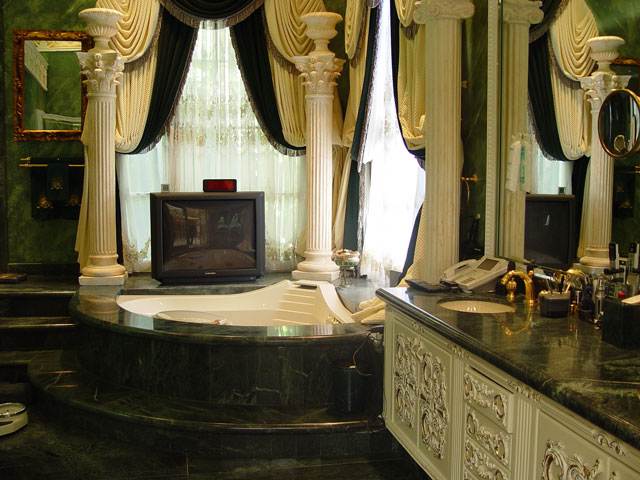
Who lives in a house like this?

I don't know who sent this and I wonder if this is true but thought I forward it to people who might be interested.


Who lives in a house like this?

Soon the world will know.

Imagine who would have such taste and live in such opulence?
An American Billionaire?
A Saudi Prince?
Louis XIV of France ?

Have a good look at these pictures, then scroll to the bottom
of the page to see who owns this work of Art.

This Mansion is in Naypyidaw, the new capital of Burma and belongs to:

The Senior General of Myanmar ( Burma ) -

while his people starve, and die because of no medical help....
and we are asked to help his people over and over again...
he and his family live like this.......his GREED kills his people.....

If you send this to everyone you know, they can send it to everyone they know; soon the whole world will know what this man is doing to his people.

Thursday, May 27, 2010

Kids .............. It is Dinner Time

A man kills a deer and takes it home to cook for dinner.

Both he and his wife decide that they won't tell the kids what kind of meat it is but will give them a clue and let them guess.

The kids were eager to know what the meat was on their plates, so they begged their dad for the clue.

Well, he said, 'it's what mommy calls me sometimes.'

The little girl screams to her brother,
'Don't eat it, it's an asshole!!!'


Cheers,.....